
Seoil University, Leading Specialized College Project Group for New Industries
AI Indie Game Challenge 2026 hackathon operations
About the program
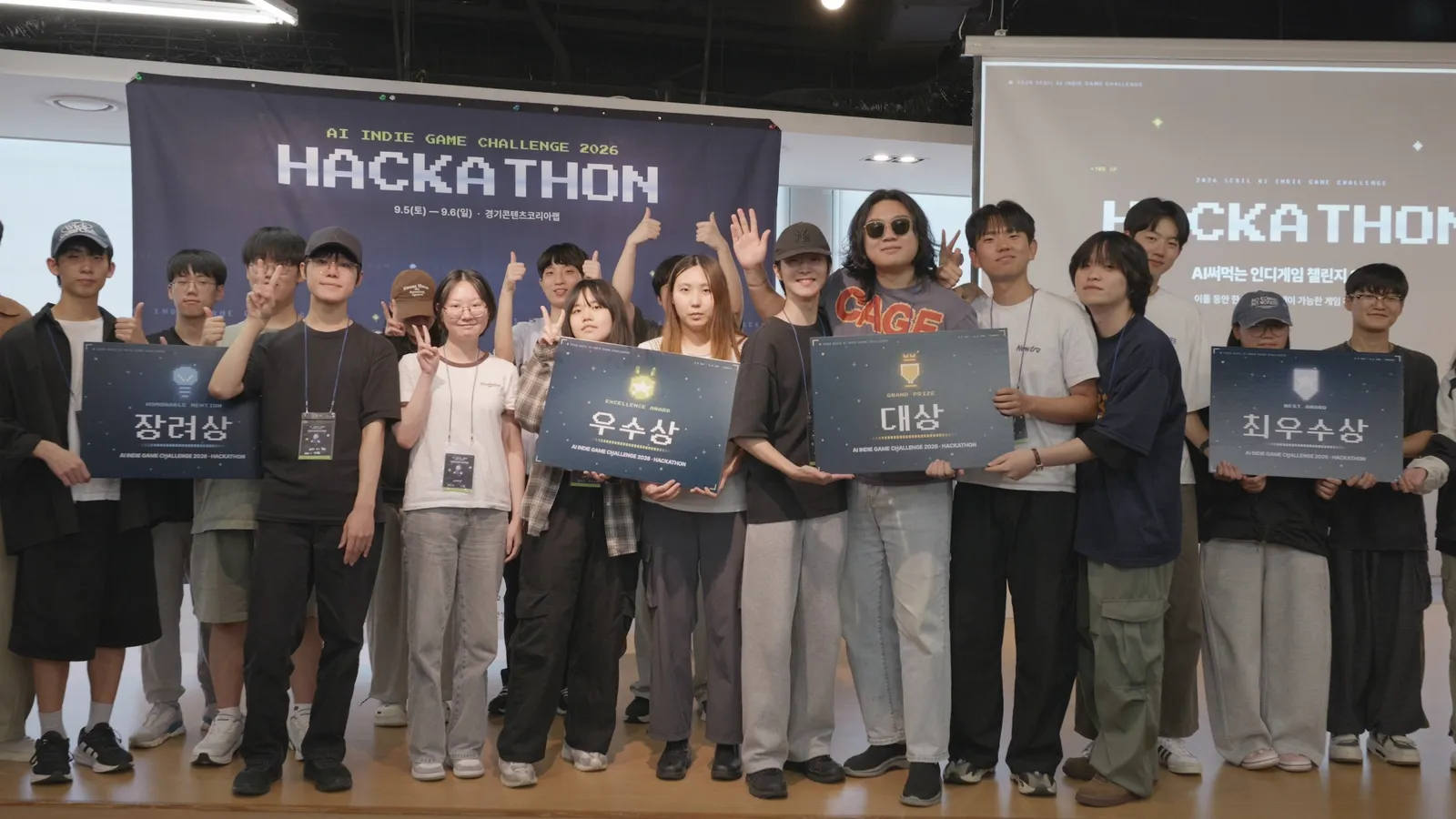
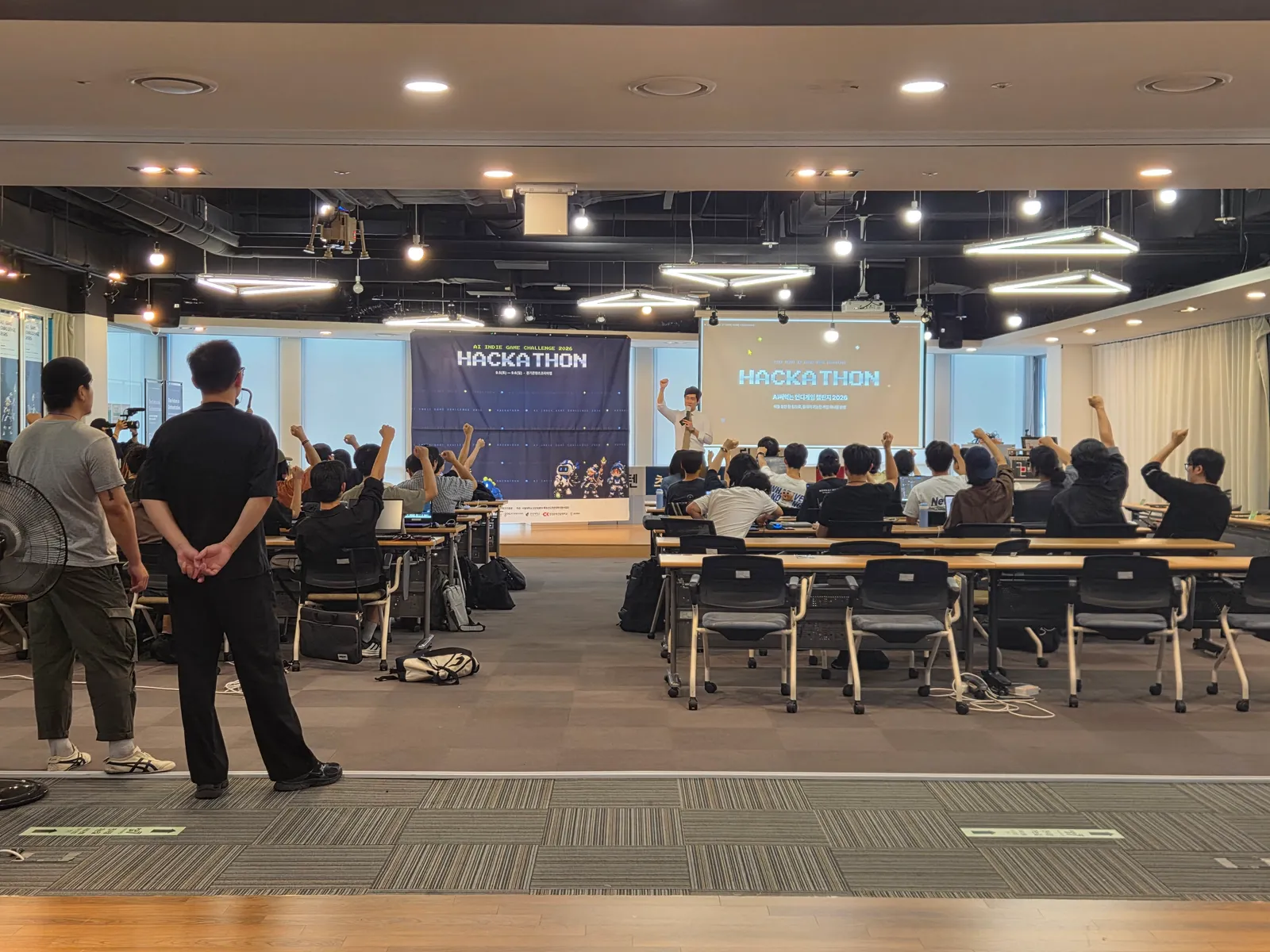
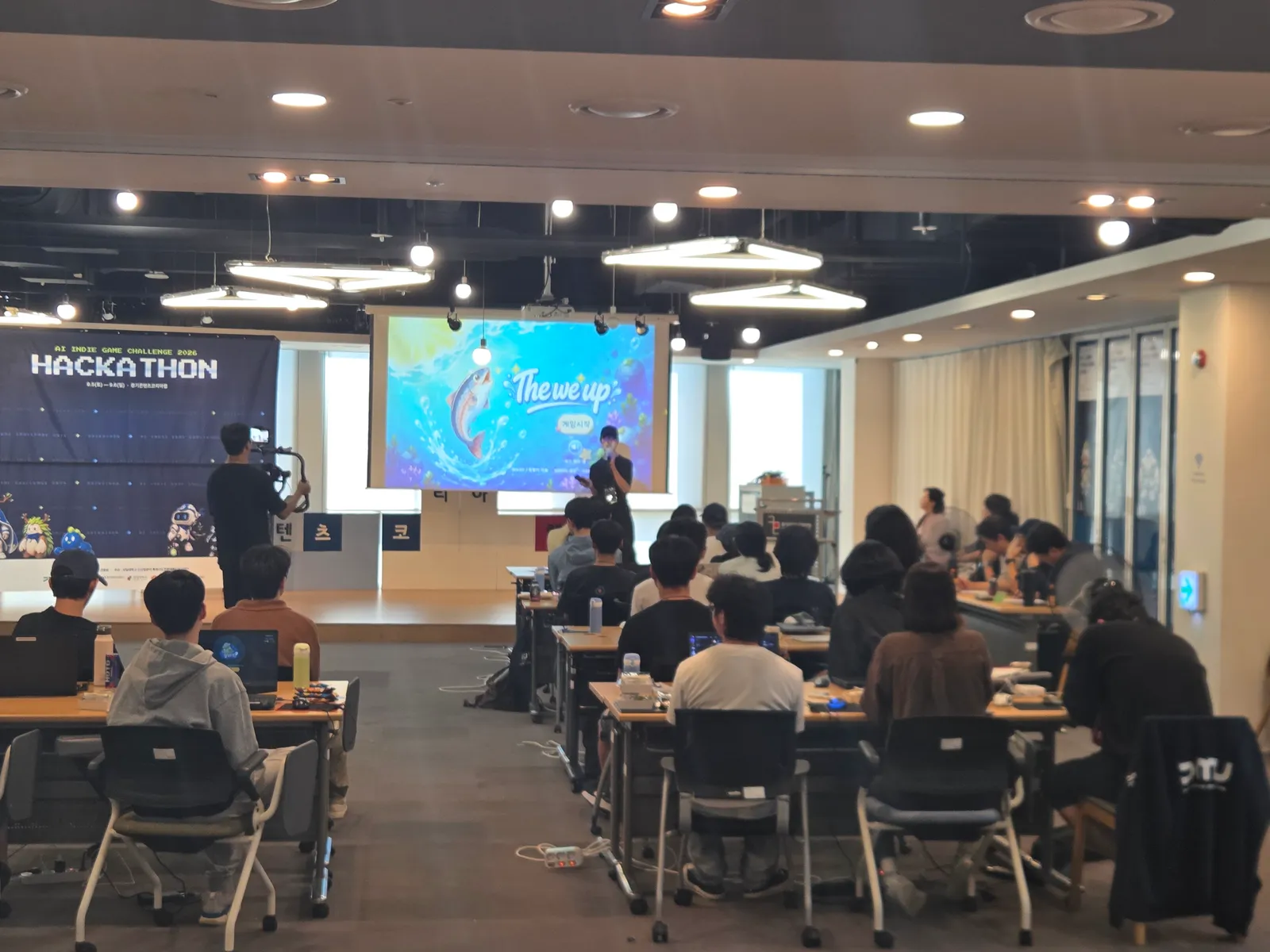
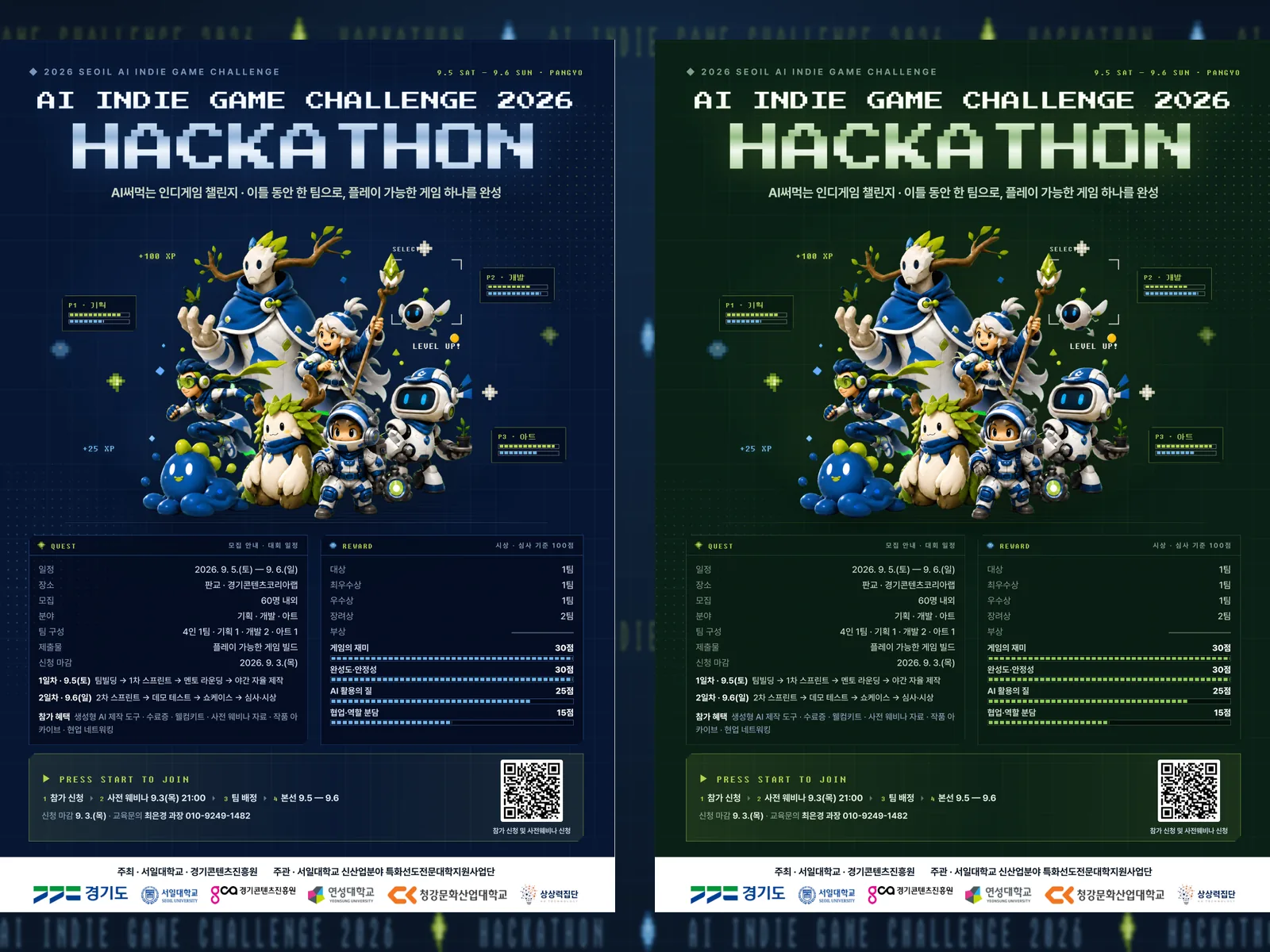
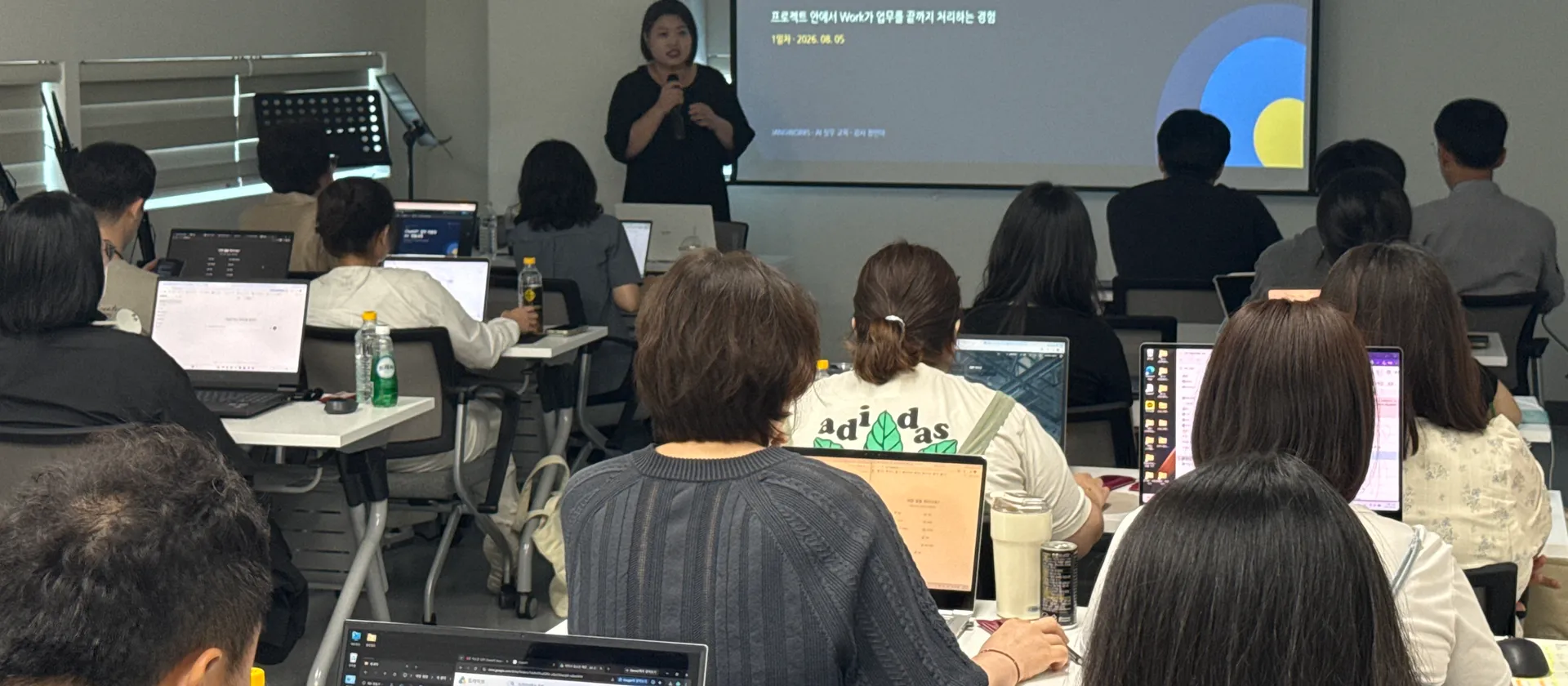
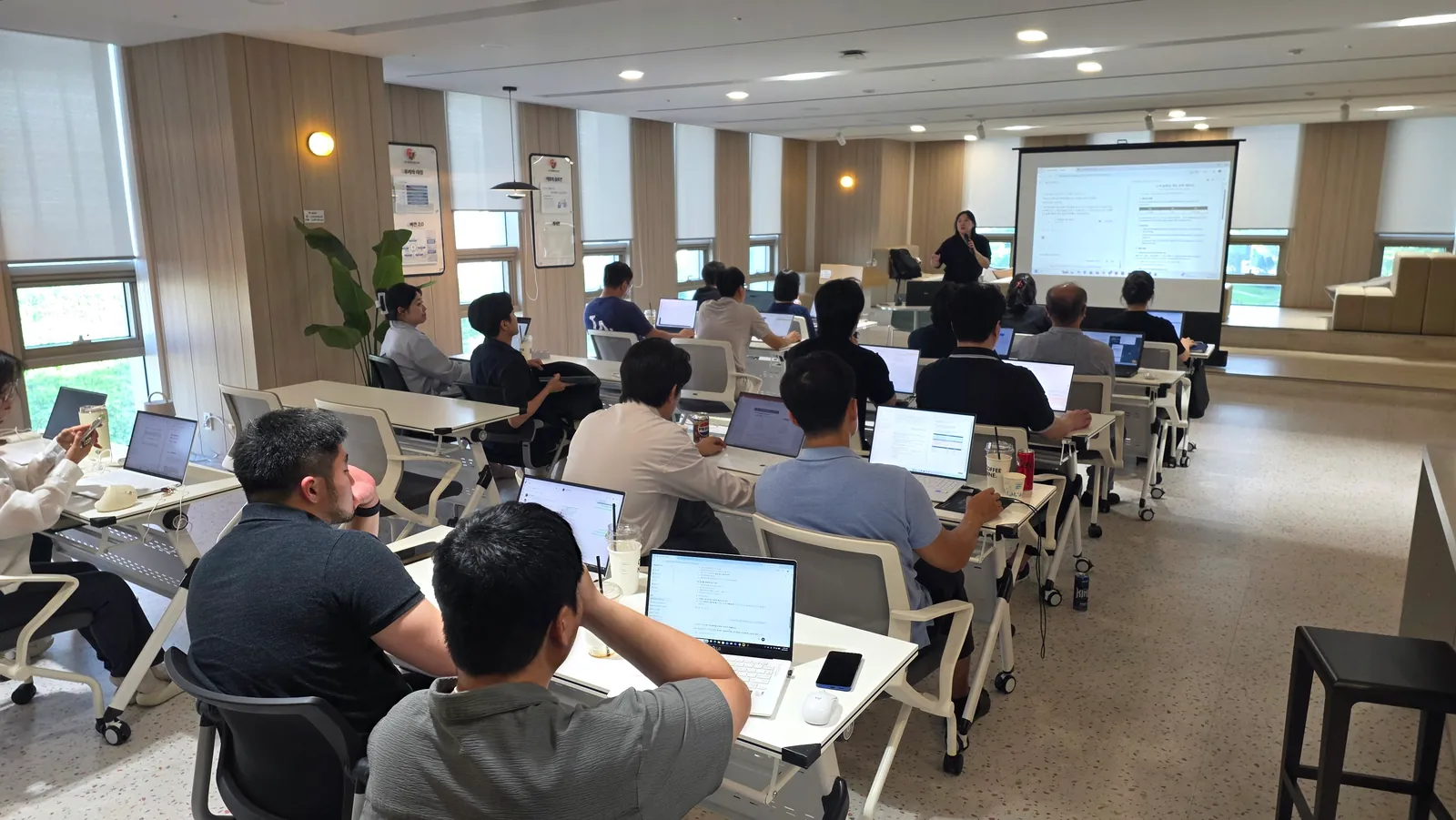
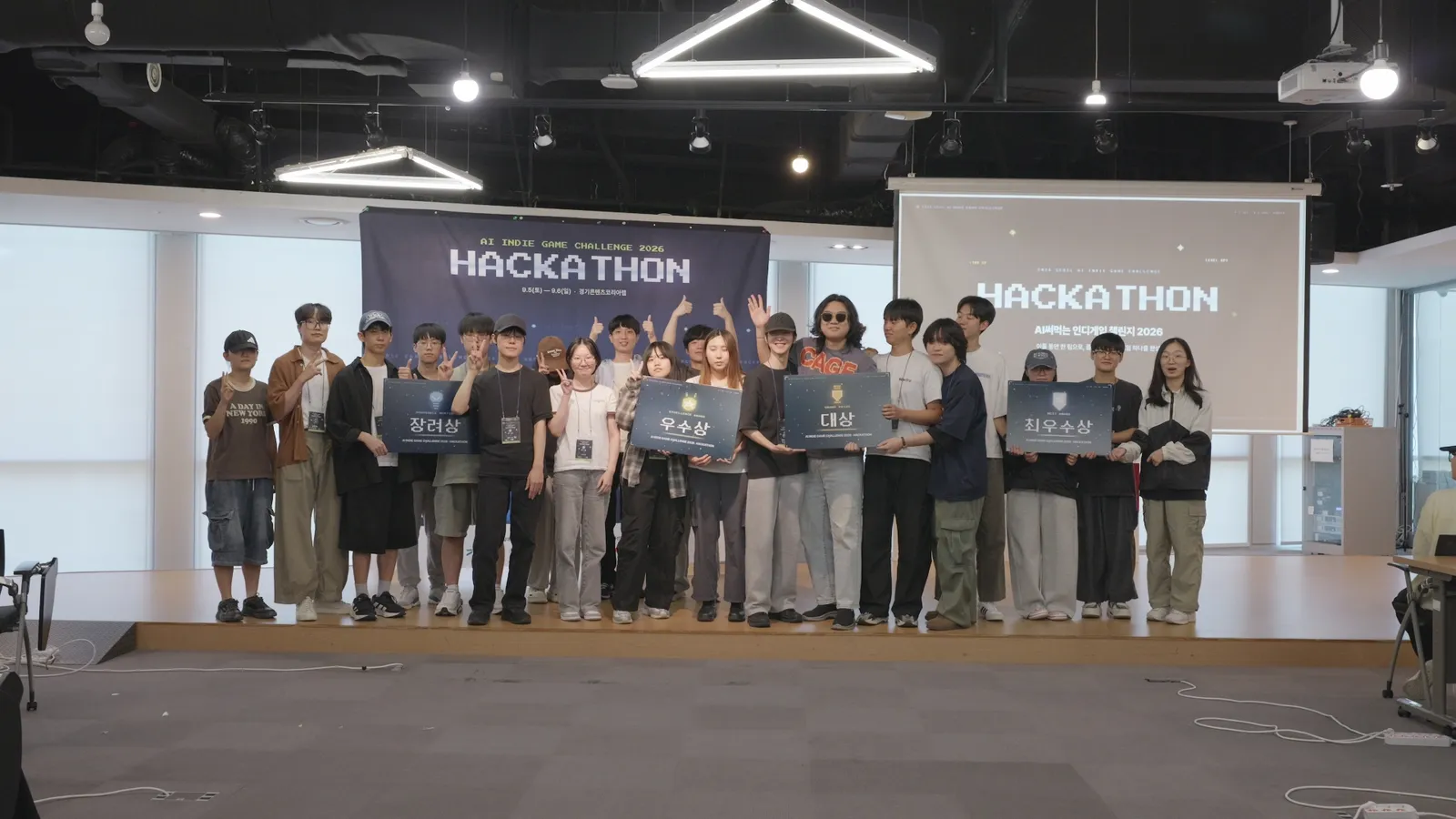
Seoil University's Leading Specialized College Project Group for New Industries commissioned us to run the hackathon for the AI Indie Game Challenge 2026, from pre-event training through the main event, judging and awards, and the delivery of certificates and prizes. The event had four goals: to experience the full cycle of making a game, to collaborate with defined roles, to use generative AI in real production, and to get feedback from working professionals. Two days before the main event, an online webinar walked participants through the event flow, the ground rules for using AI, and the development environment. On the day, teams formed through on-site registration and icebreaking, attended an expert lecture, and began the first build. A midpoint check adjusted the scope, and after a second build and overnight development each team shared its game through a builder the next morning. Participants played the other teams' games first, then the final presentations and expert judging followed. Eight working professionals in game design, Unity, AI, and project management mentored the teams in rotation, and four of them served as judges, scoring fun, completeness, quality of AI use, and collaboration. Participants had access to Claude throughout the event, and five teams received certificates and AI service subscriptions as the grand, first, excellence, and encouragement prizes. The videos of all nine team projects are below.
What we ran
Planning and running every stage of a two-day overnight hackathon where each team completes a game with generative AI
Pre-event training
Online webinar covering the event flow, team formation, and the development, testing, and presentation process
Ground rules for using AI in game production and the development environment; ideas prepared individually in advance
Main event
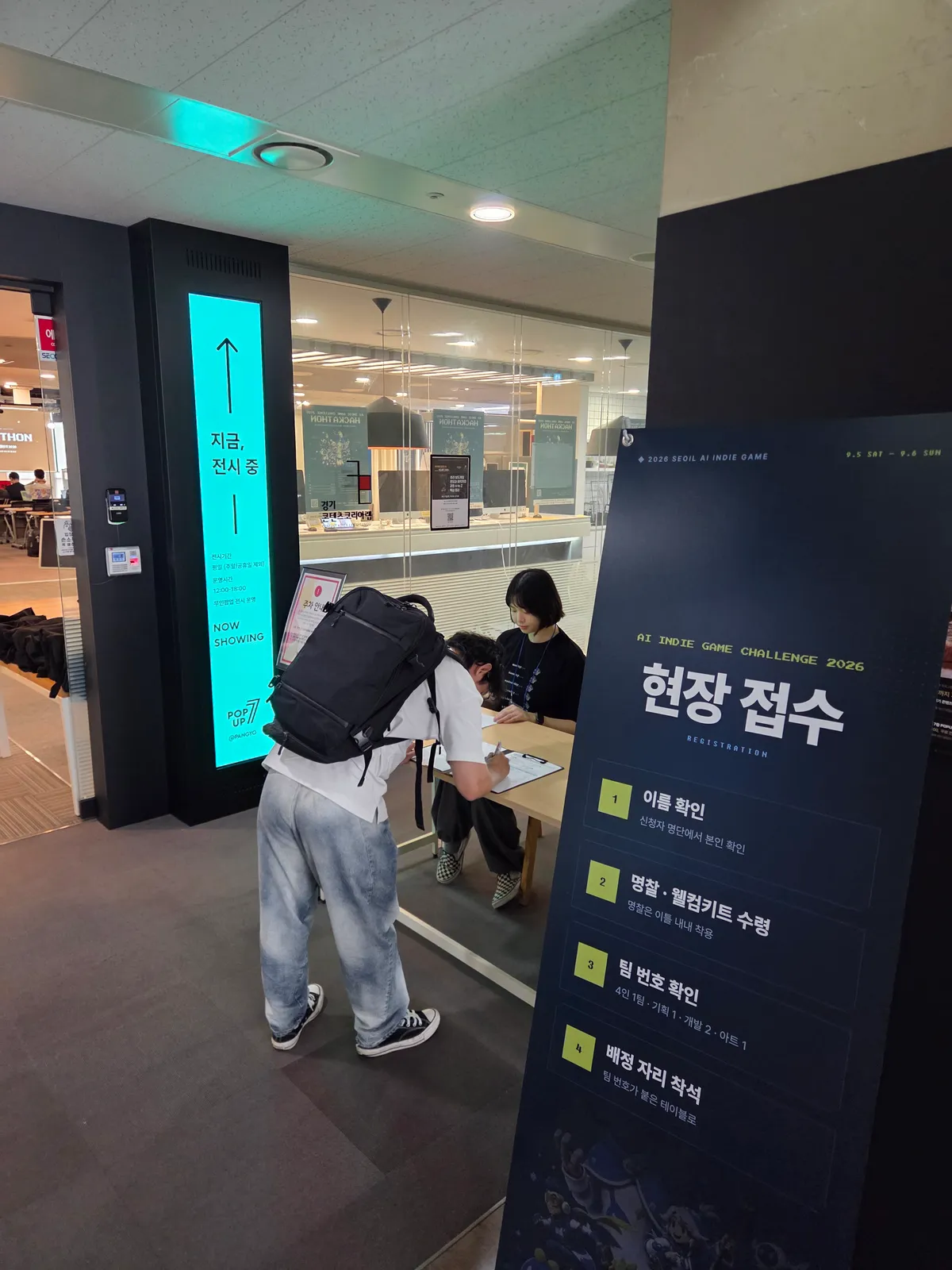
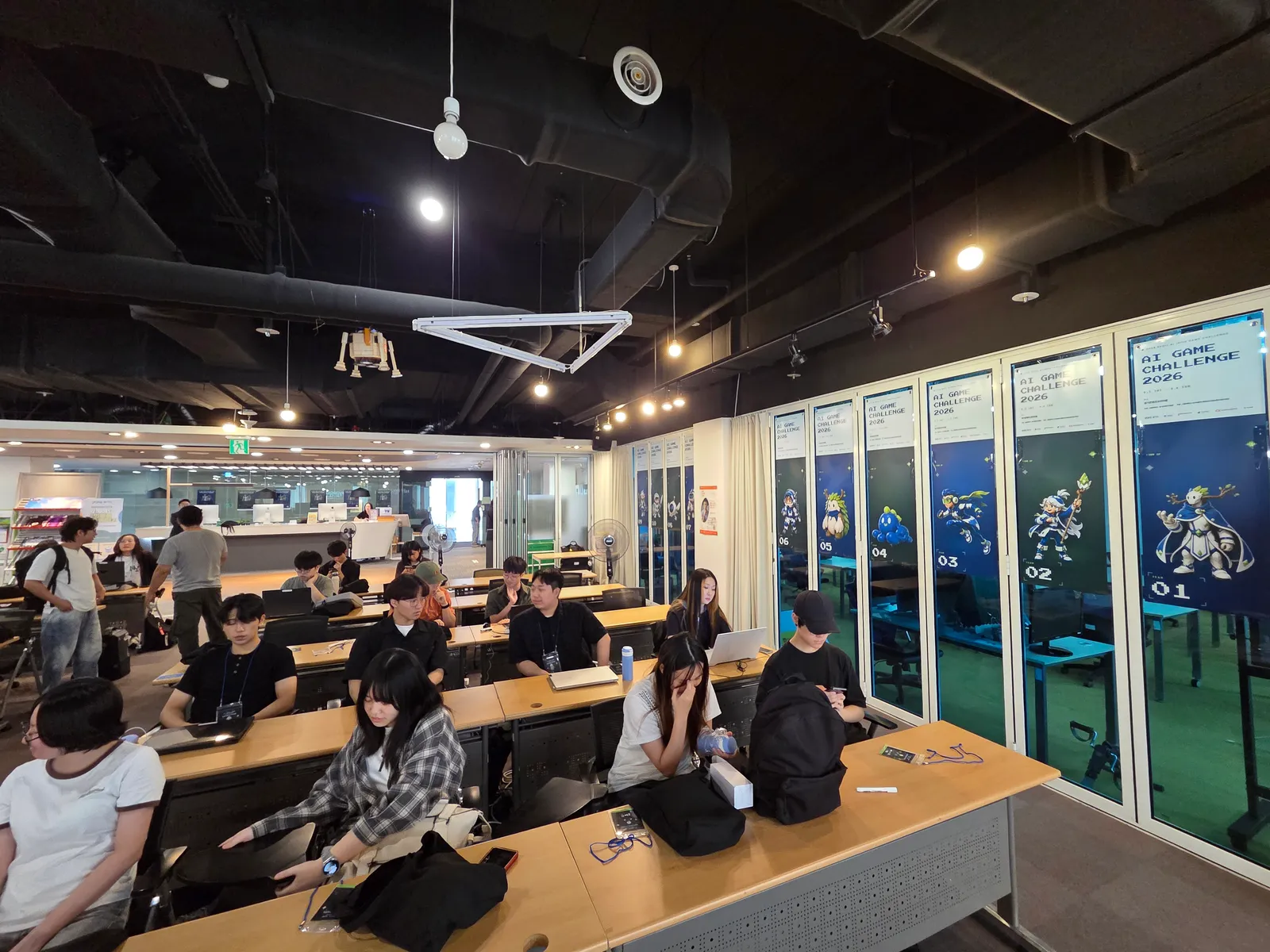
On-site registration and team building
Name tags, seating, and team assignments, a check of the development environment, then icebreaking to divide roles and kick off the project
Expert lecture and first build
A lecture on game implementation, followed by refining the idea and building the core gameplay
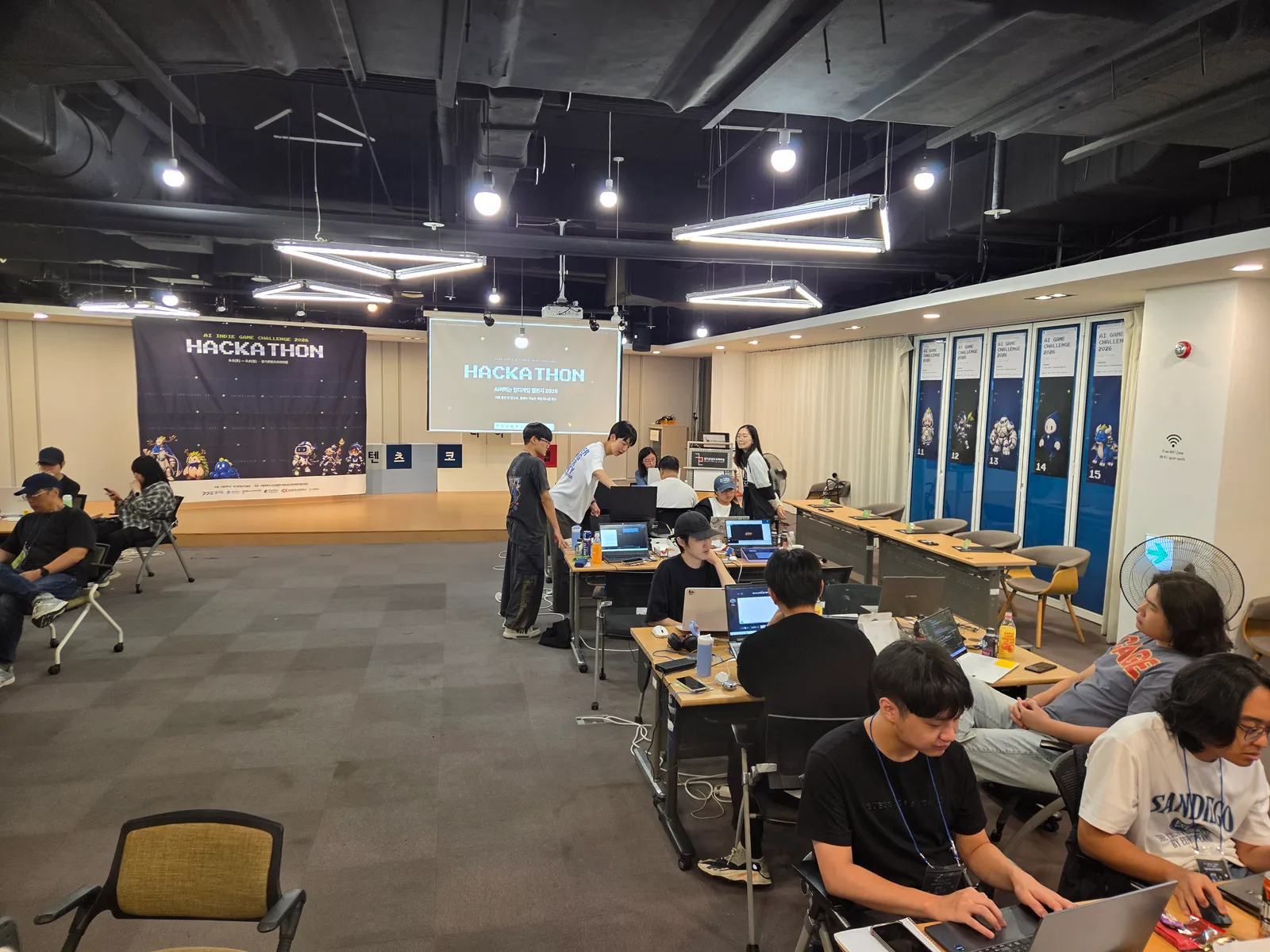
Midpoint check, second build, and overnight development
Scope adjustment, feature integration and bug fixing, then self-directed development toward a final build and presentation
Cross-play between participants
Each team's game shared through a builder so participants could play the other teams' games and check the flow themselves
Final presentations, expert judging, and awards
Common criteria of fun, completeness and stability, quality of AI use, and collaboration and role division, with grand, first, excellence, and encouragement prizes
Expert support
Mentoring from eight working professionals in games and content, Unity and VR/XR, AI and backend, and planning and project management
Expert judging by four judges focused on running builds and demos
Venue and operations
Team development seating, a presentation screen, power, network, and a rest area at the Pangyo venue
Dinner on day one, breakfast on day two, refreshments, and managed overnight development and rest areas with no safety incidents
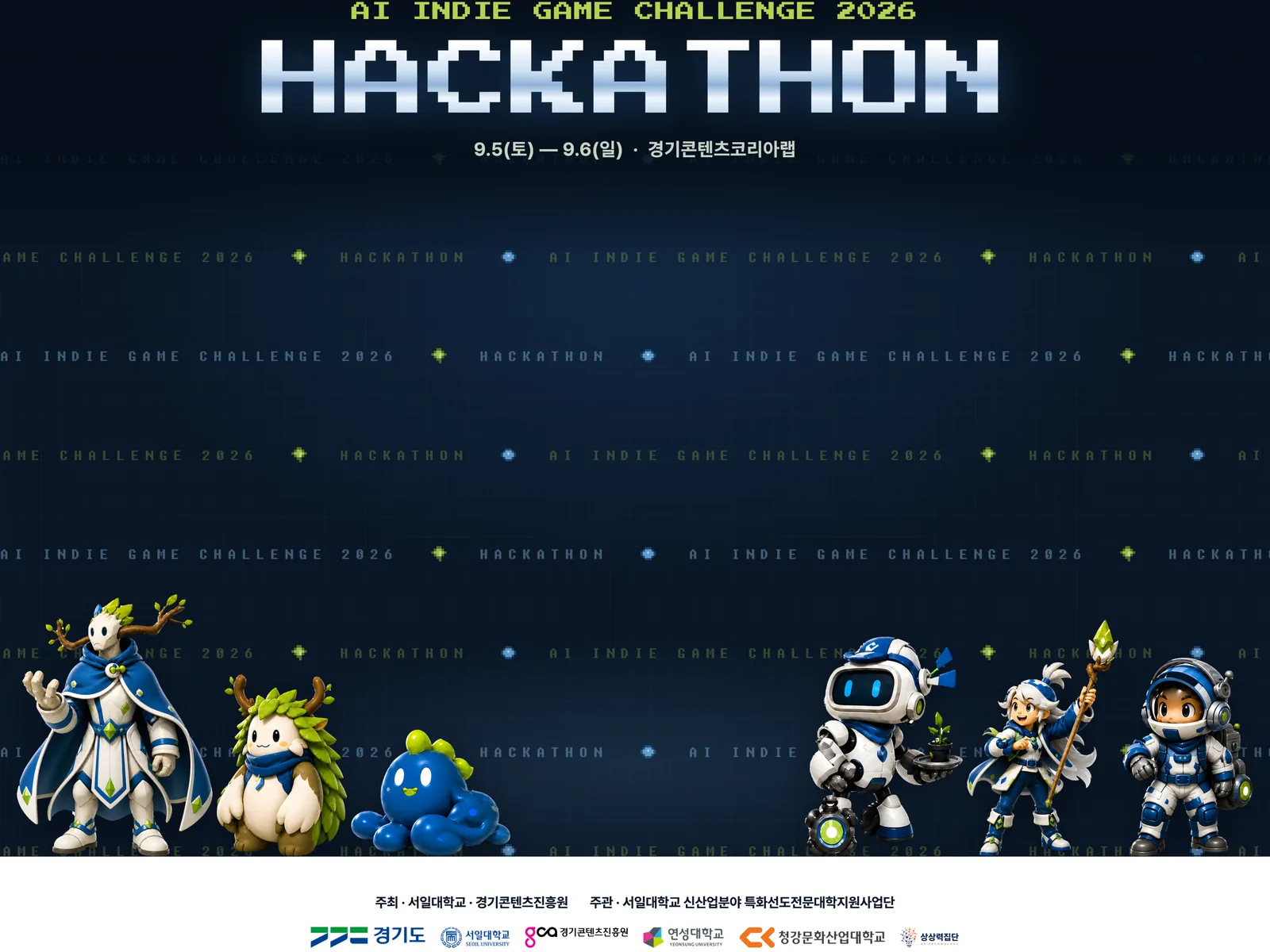
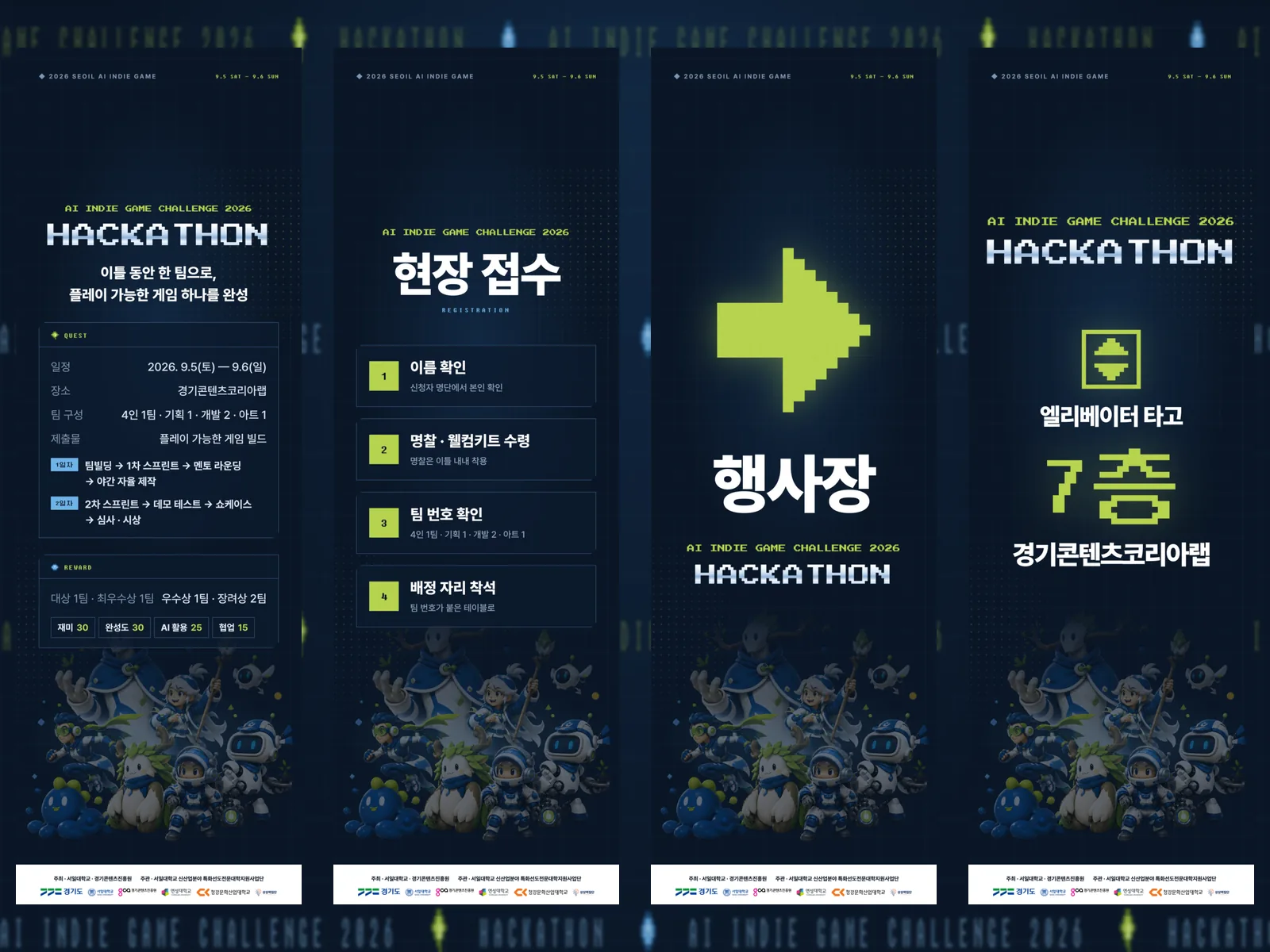
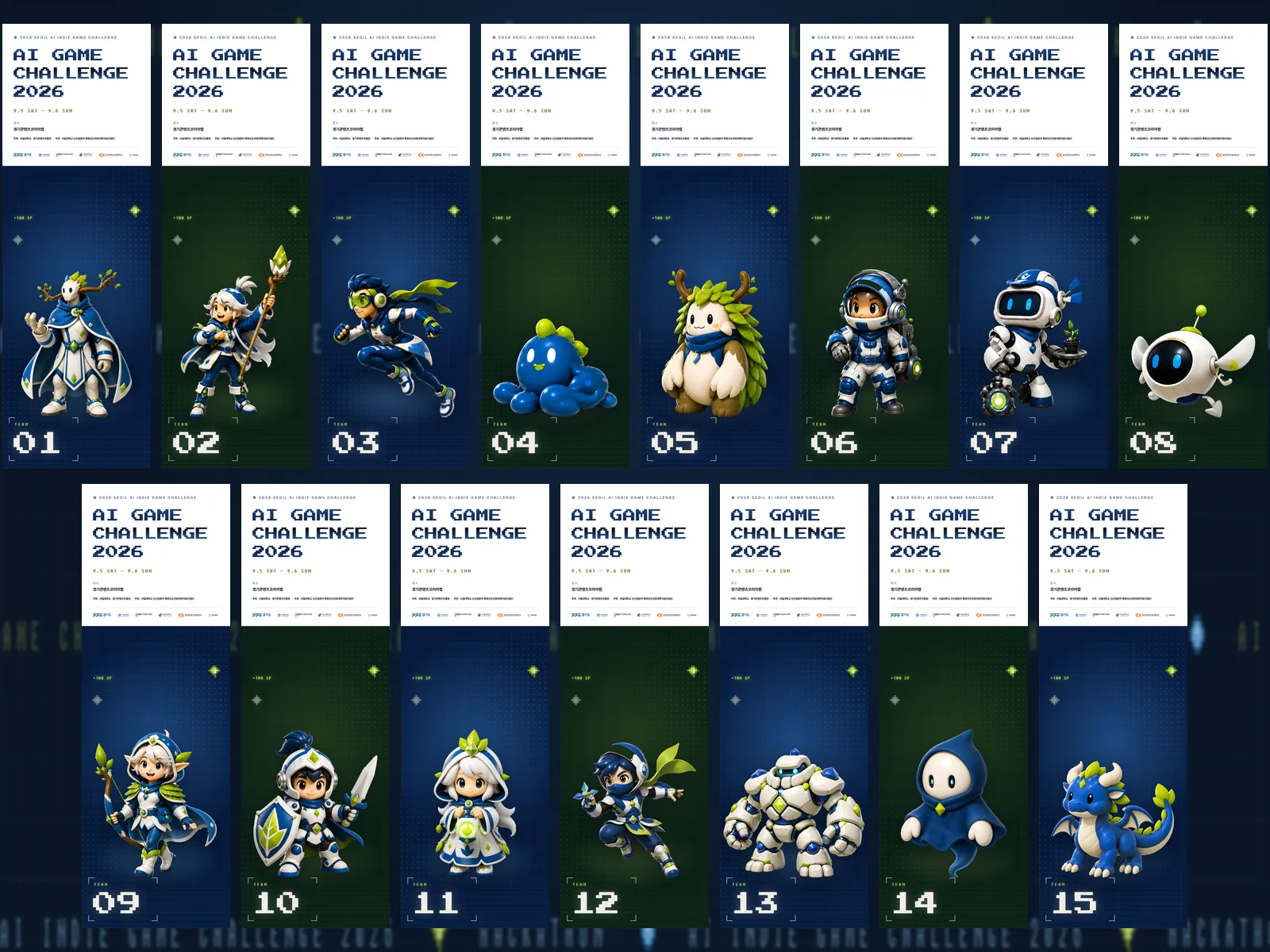
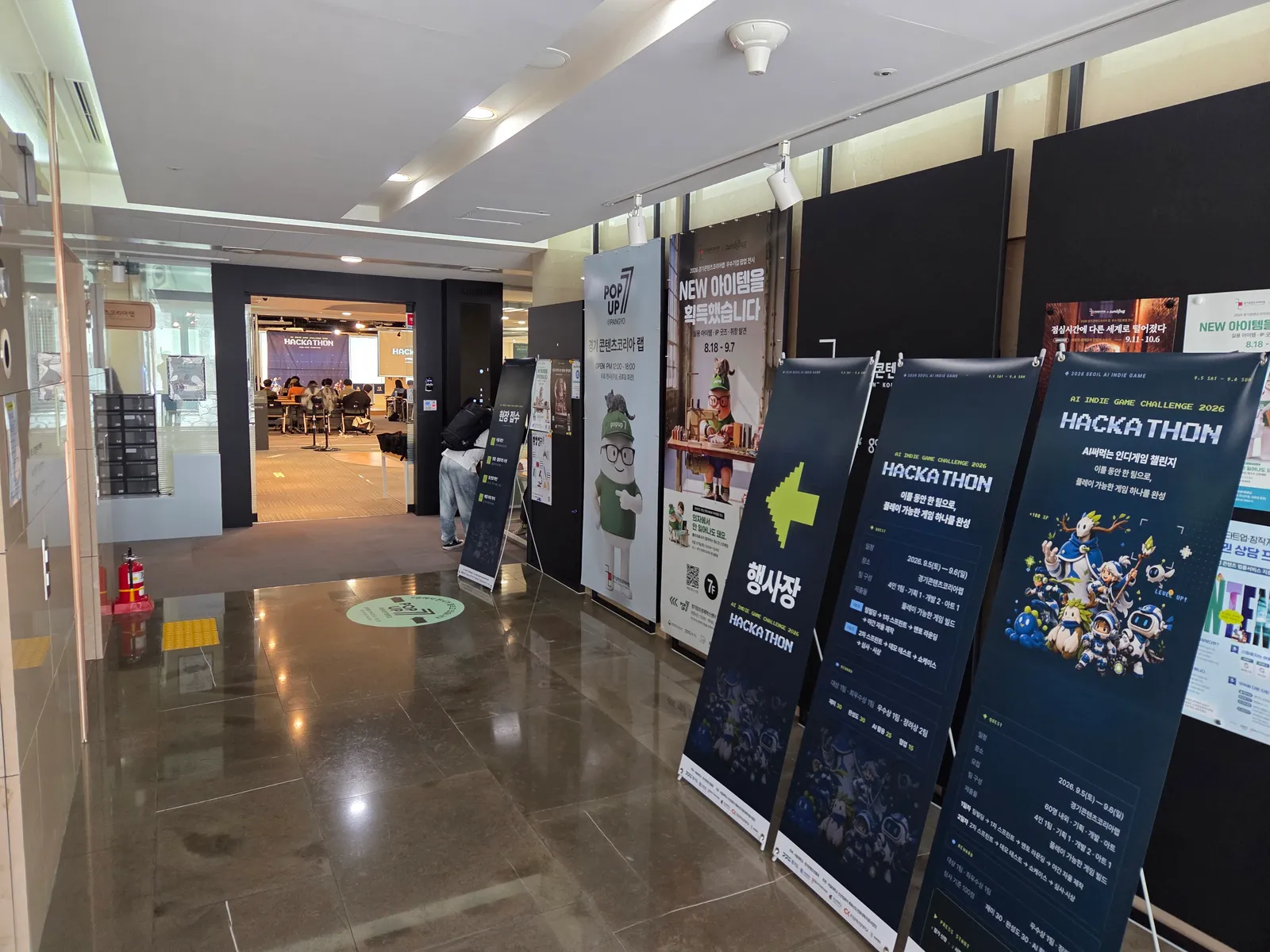
Event banners, a photo wall, team signage, wayfinding, and welcome gifts produced and installed
Follow-up
Participant satisfaction survey compiled, with open-ended feedback turned into improvements for the next edition
Certificates and prizes delivered, and the nine team games and operating records compiled as outcome materials for the university
Team project videos
Gallery