Yangju City
AI certification program for elementary and middle school students
About the program
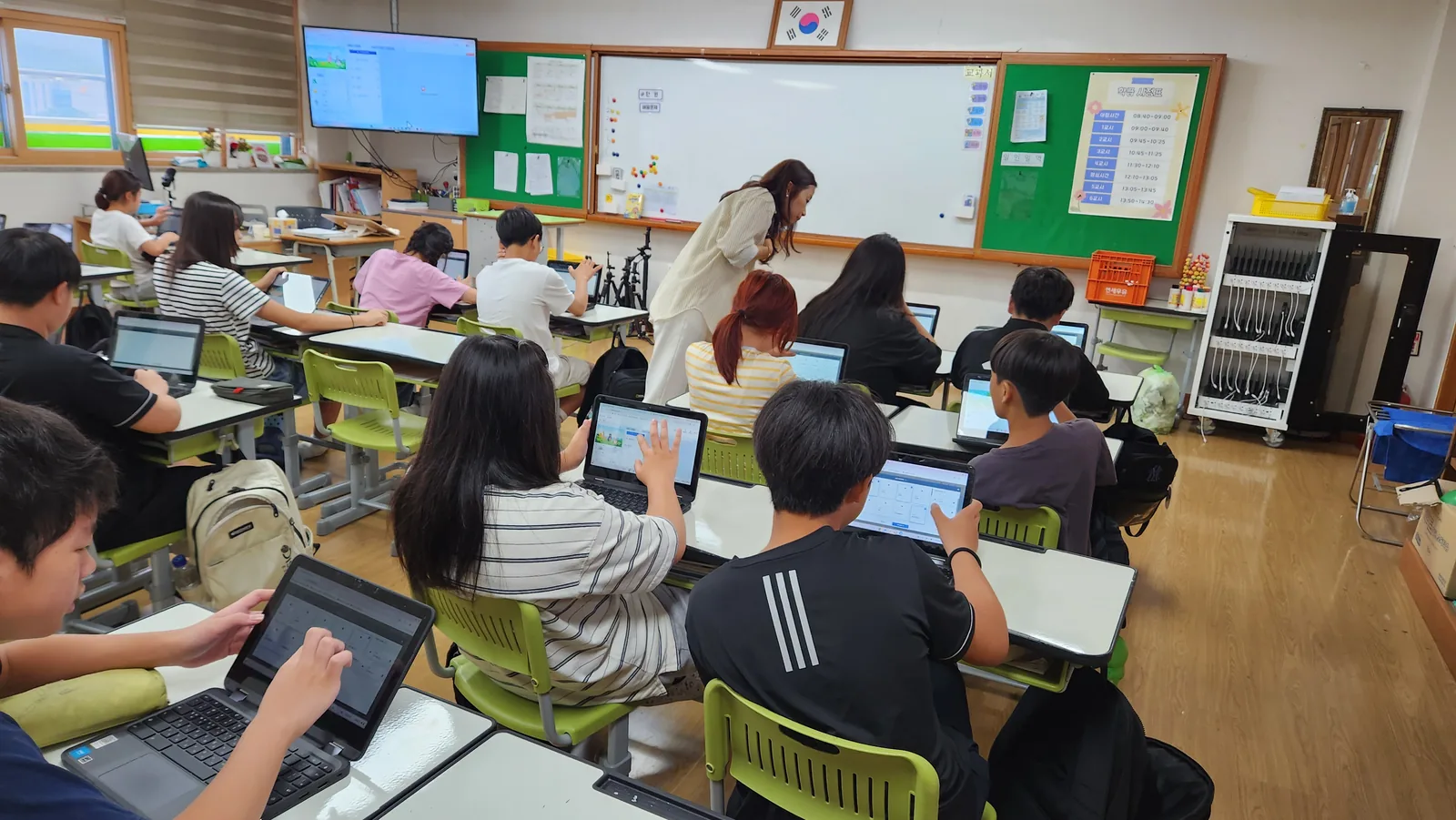
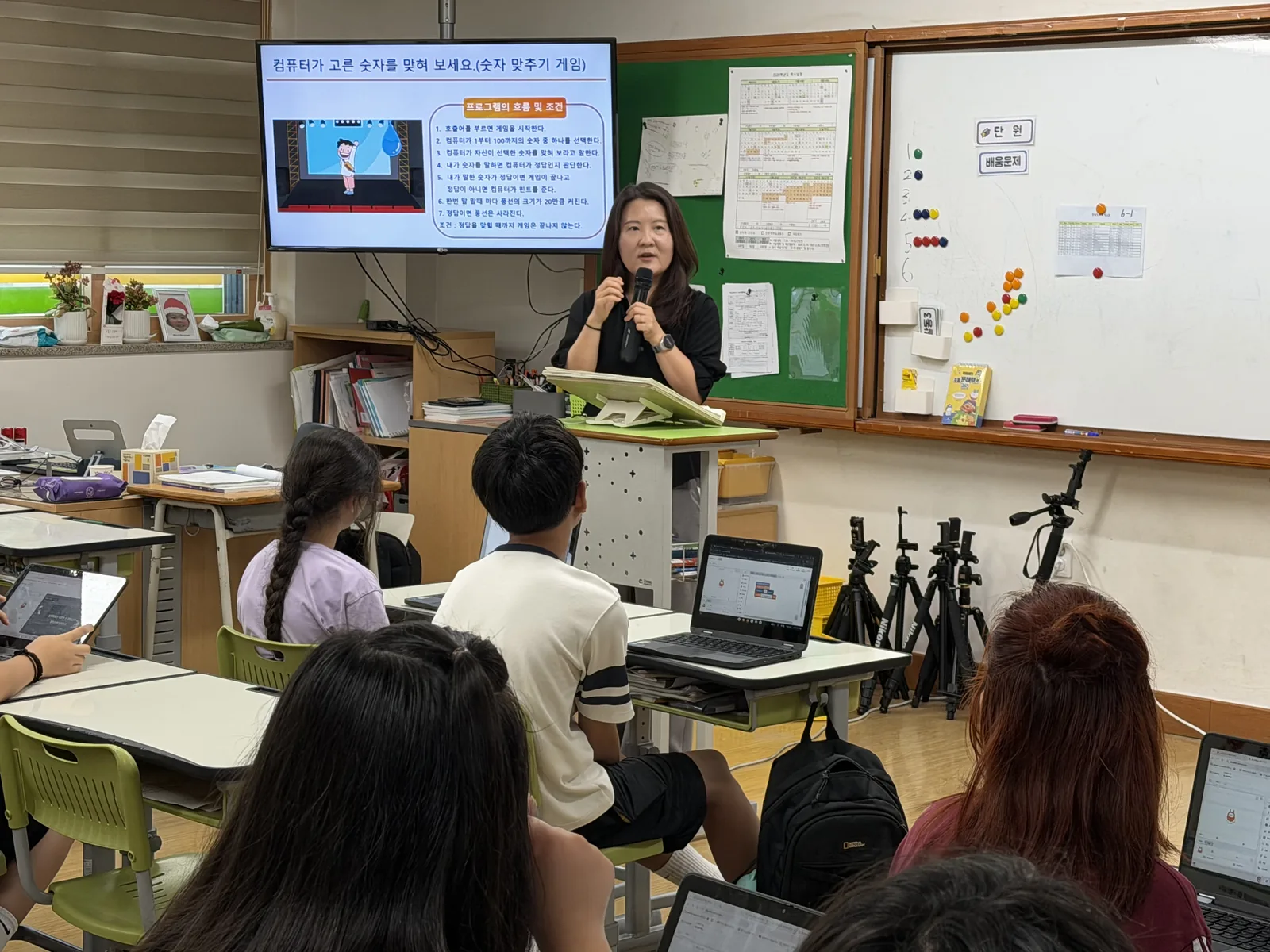
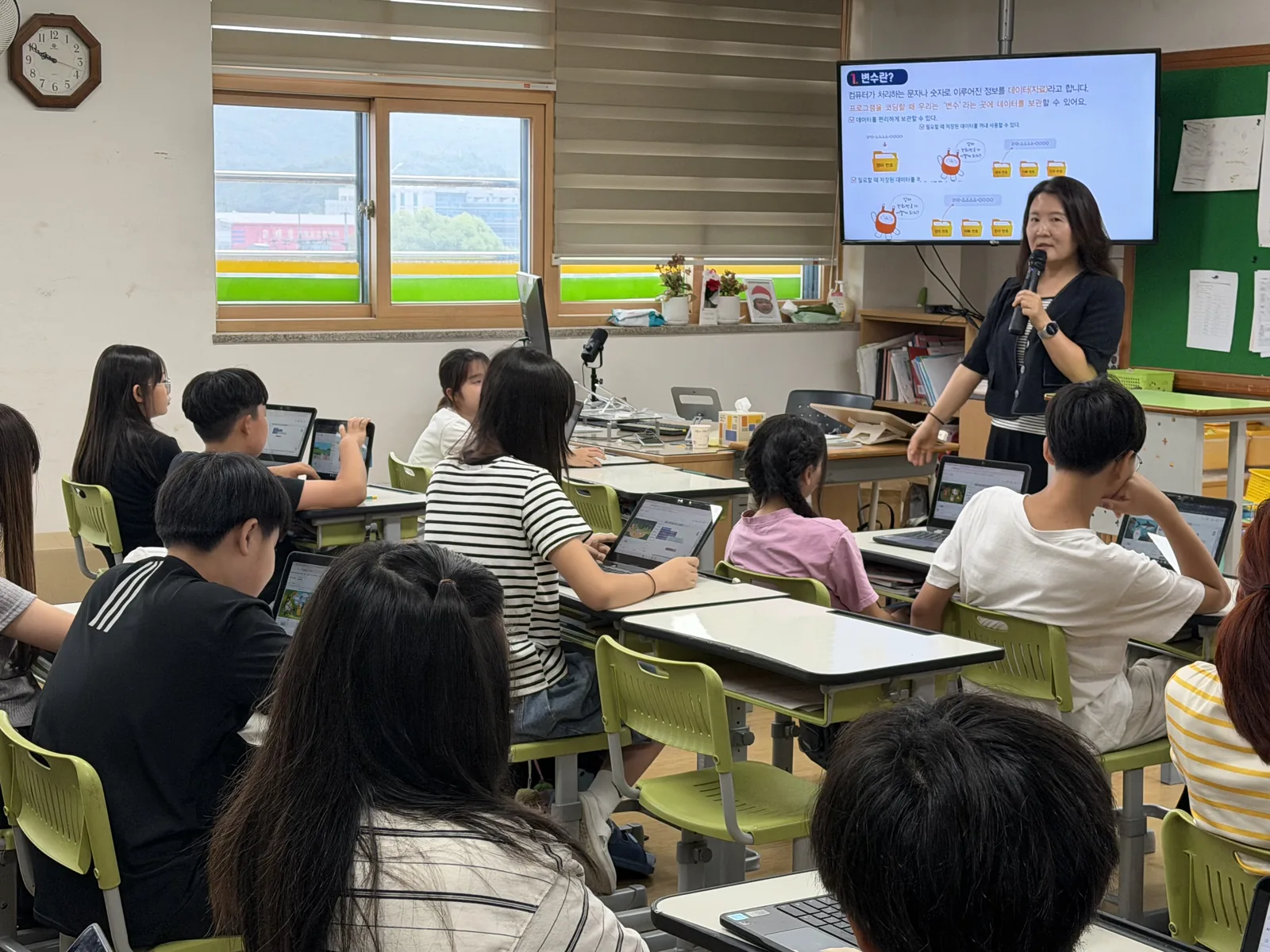
Youth AI programs tend to end at "we tried it." If nothing is left behind, neither is the learning. This program aimed at a measurable outcome from the start: passing a certification exam. Elementary students took the block-coding based AICE FUTURE Level 3 track; middle school students took AICE JUNIOR, based on no-code AI modeling. Attention span and ways of thinking differ by age, so elementary classes were built as hands-on activities with immediate feedback, and middle school classes as inquiry — finding patterns in data. We went to the schools rather than moving the students. Facilities differed from school to school — computer labs, classrooms, tablets — so we visited each site in advance to check the exam environment, and we handled administrative steps such as i-PIN issuance and exam registration.
What we ran
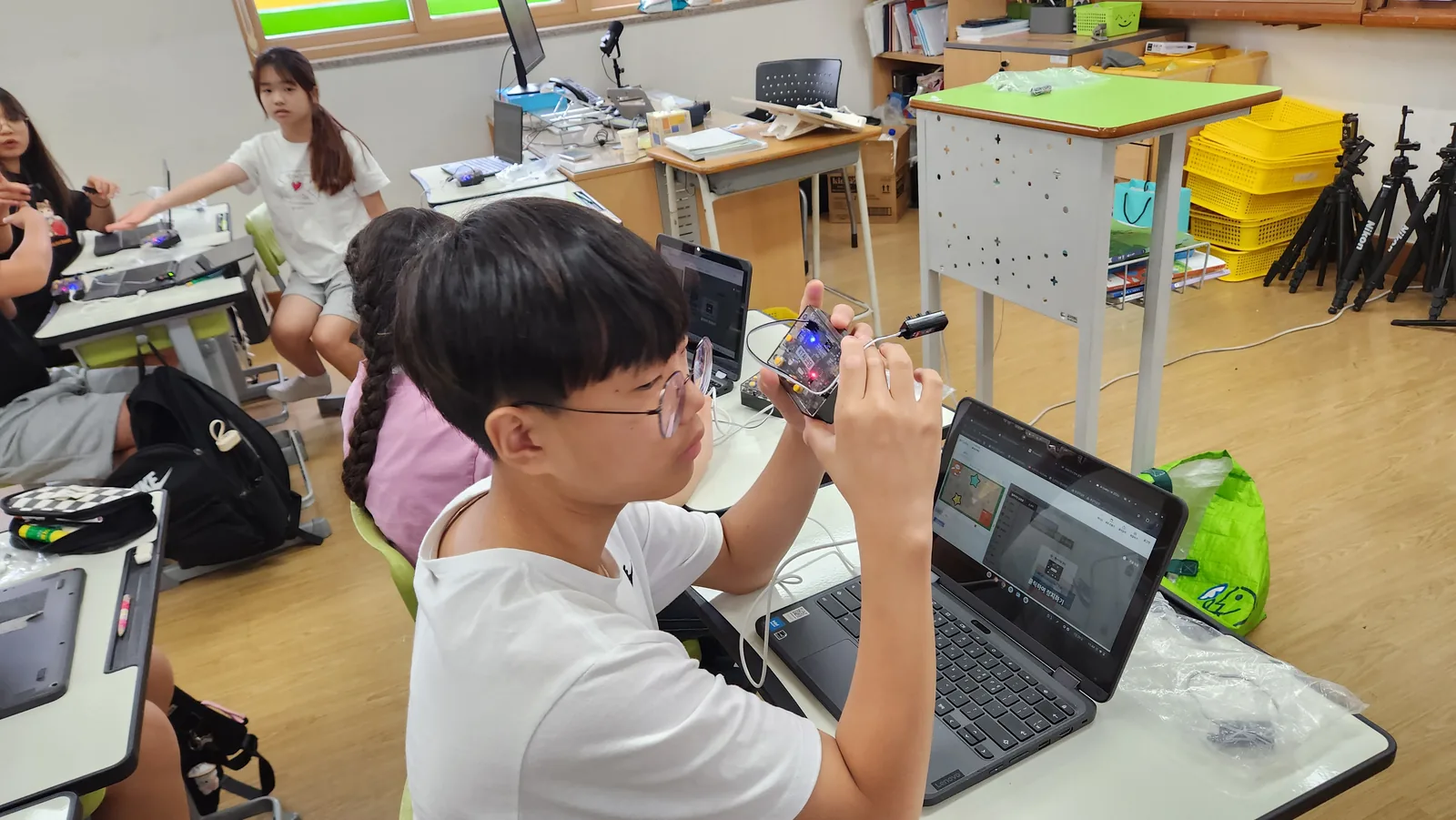
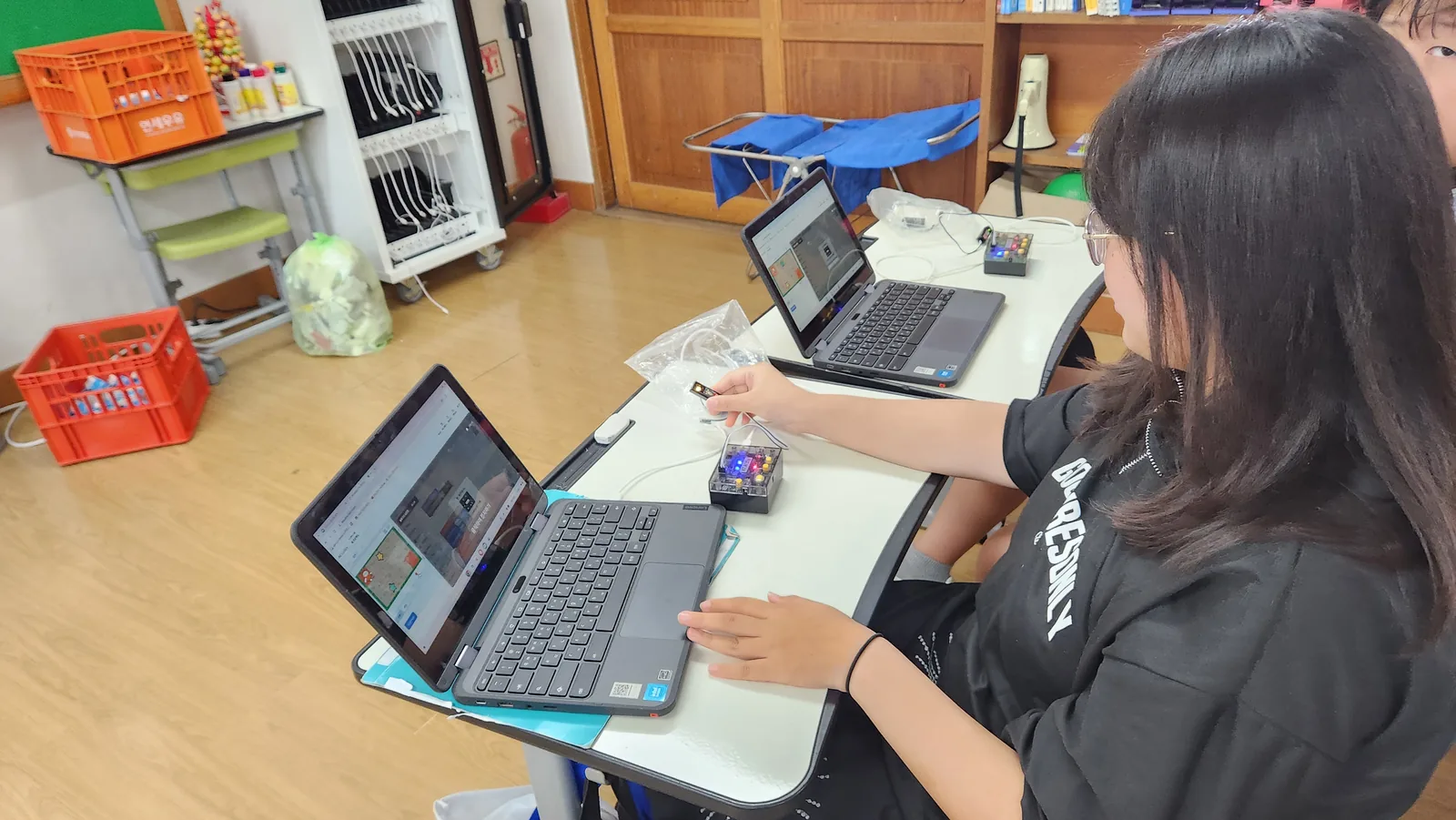
Eight sessions delivered at each school in the city, running from class through mock tests to the certification exam itself
How the course was designed
Built around passing the exam, with heavy repetition of practice matched to the question types
Separate tracks and teaching styles for elementary and middle school age groups
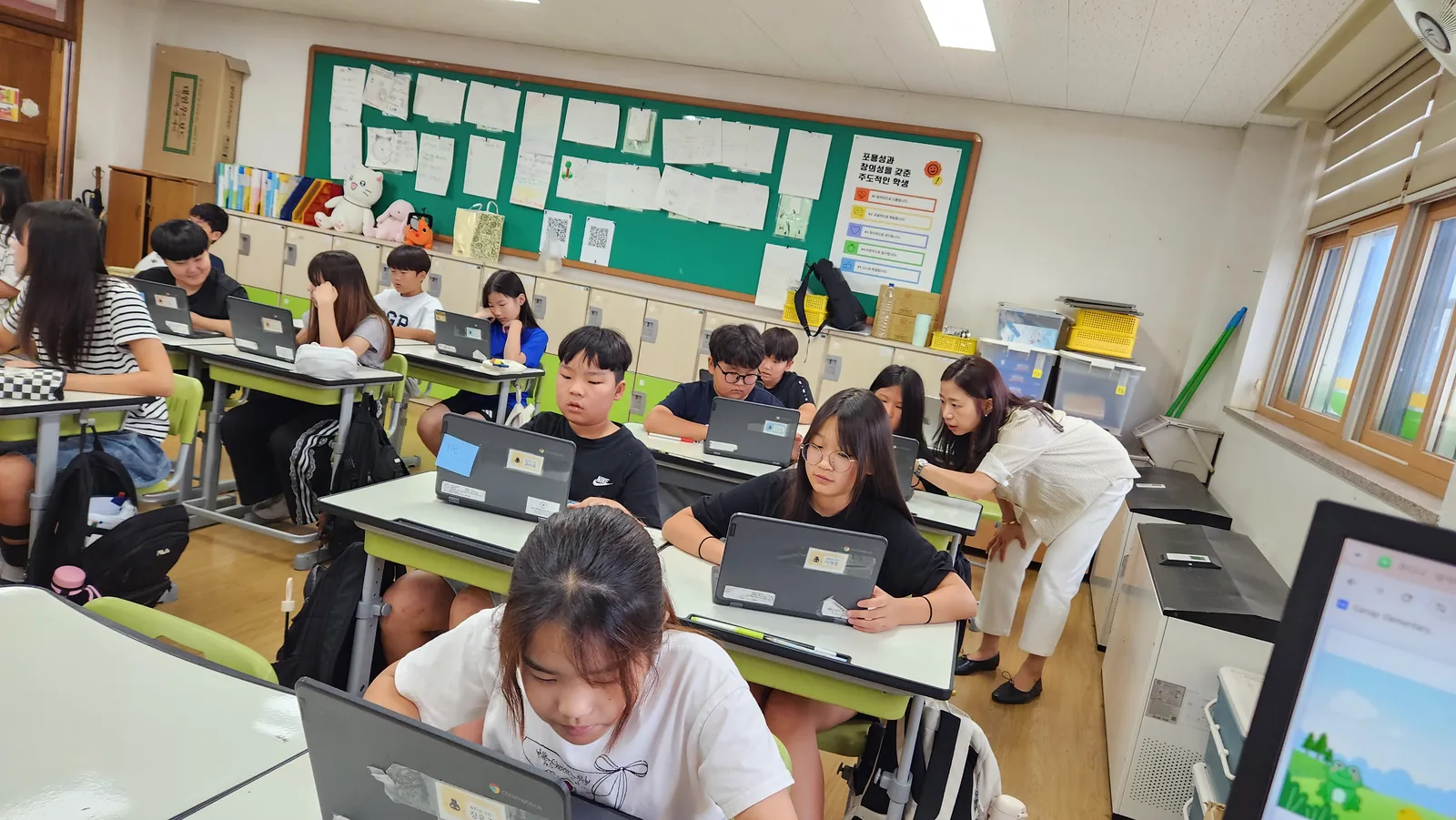
Classes held at the schools so students did not have to travel, kept small at class-group size
The two tracks
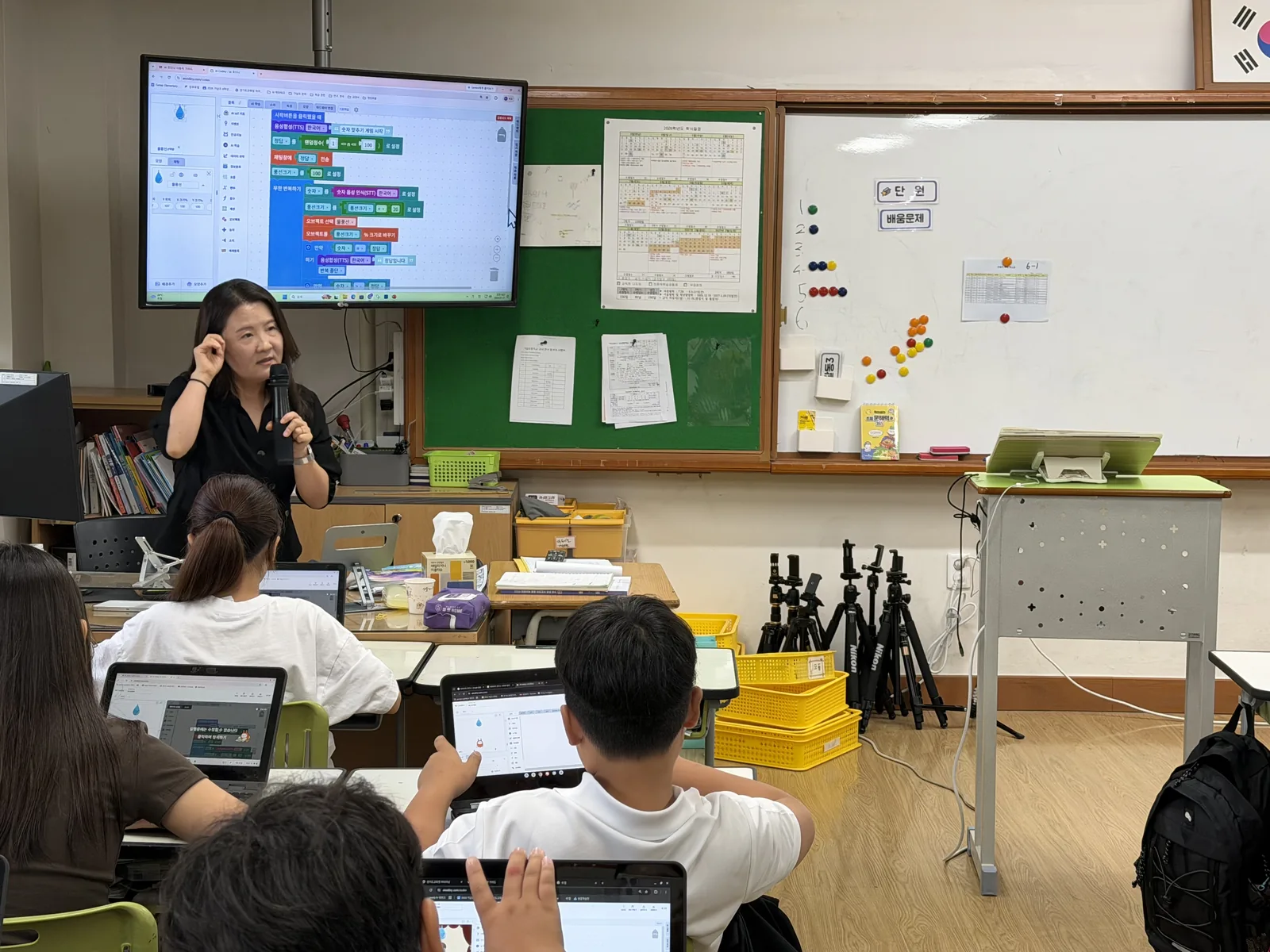
[Elementary] Preparing for AICE FUTURE Level 3
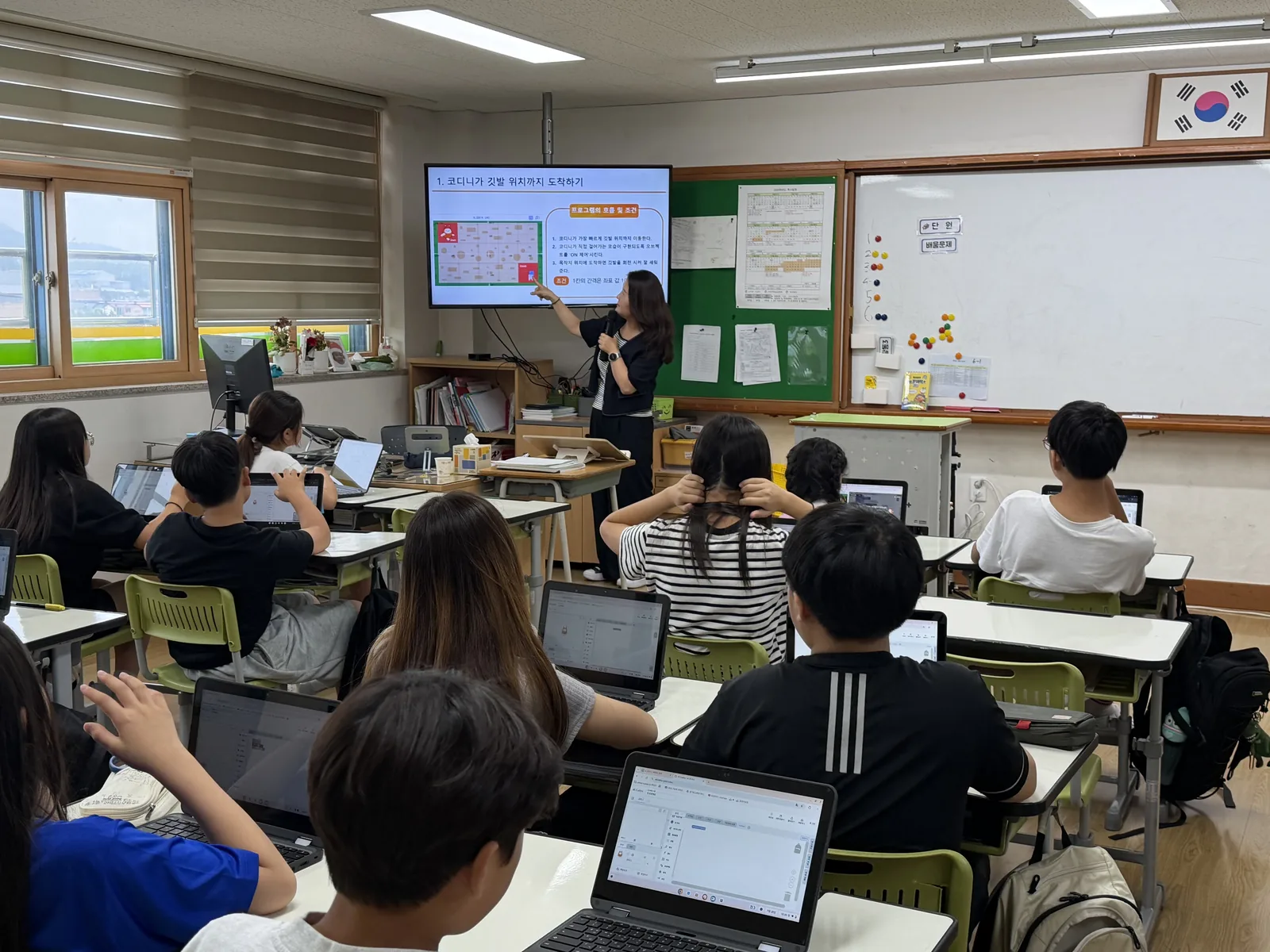
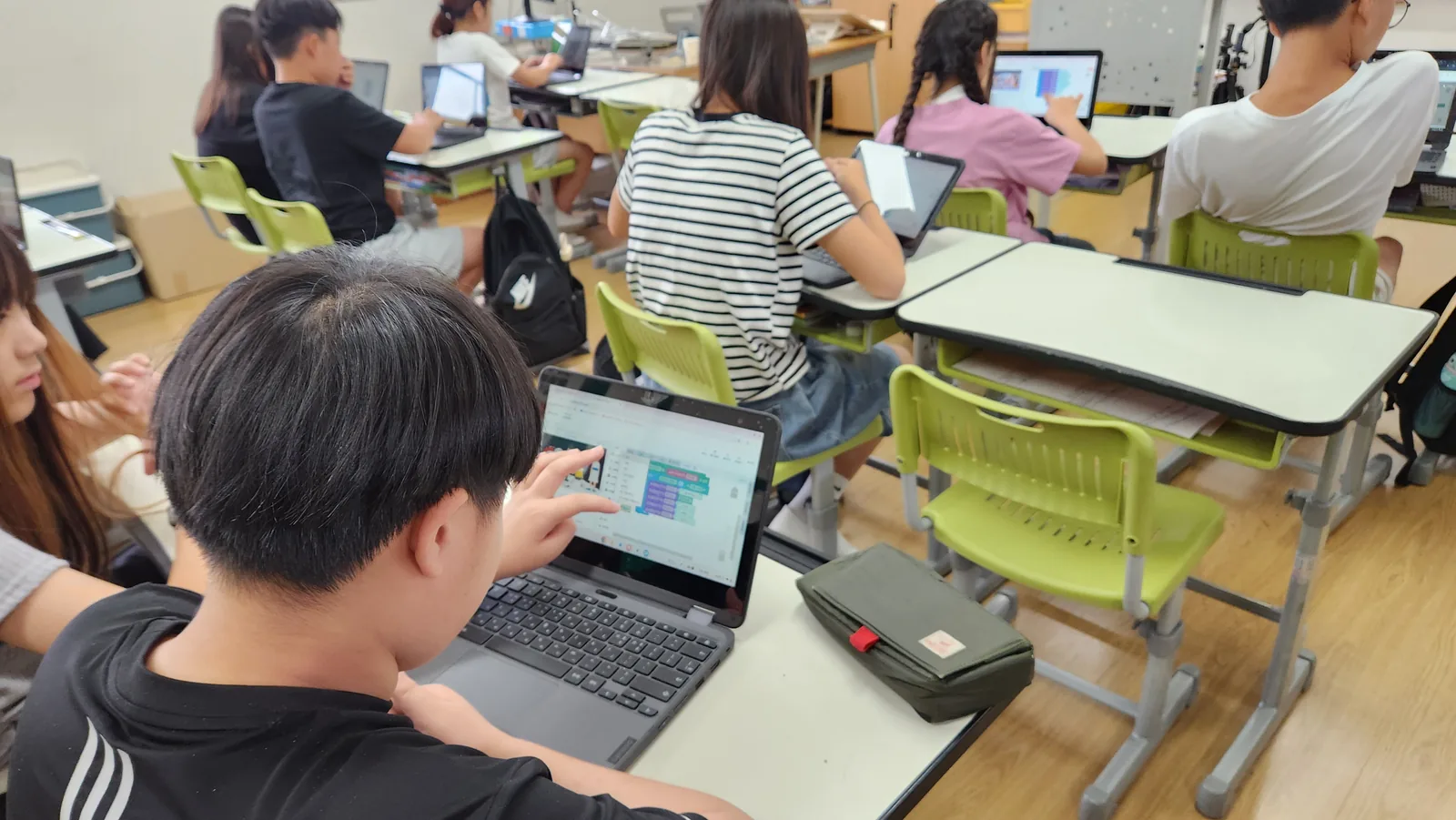
Hands-on work building AI features such as speech and image recognition on a block-coding platform
[Middle school] Preparing for AICE JUNIOR
The full AI problem-solving cycle in a no-code environment: defining the problem, collecting and preparing data, modeling, and evaluating performance
How it ran
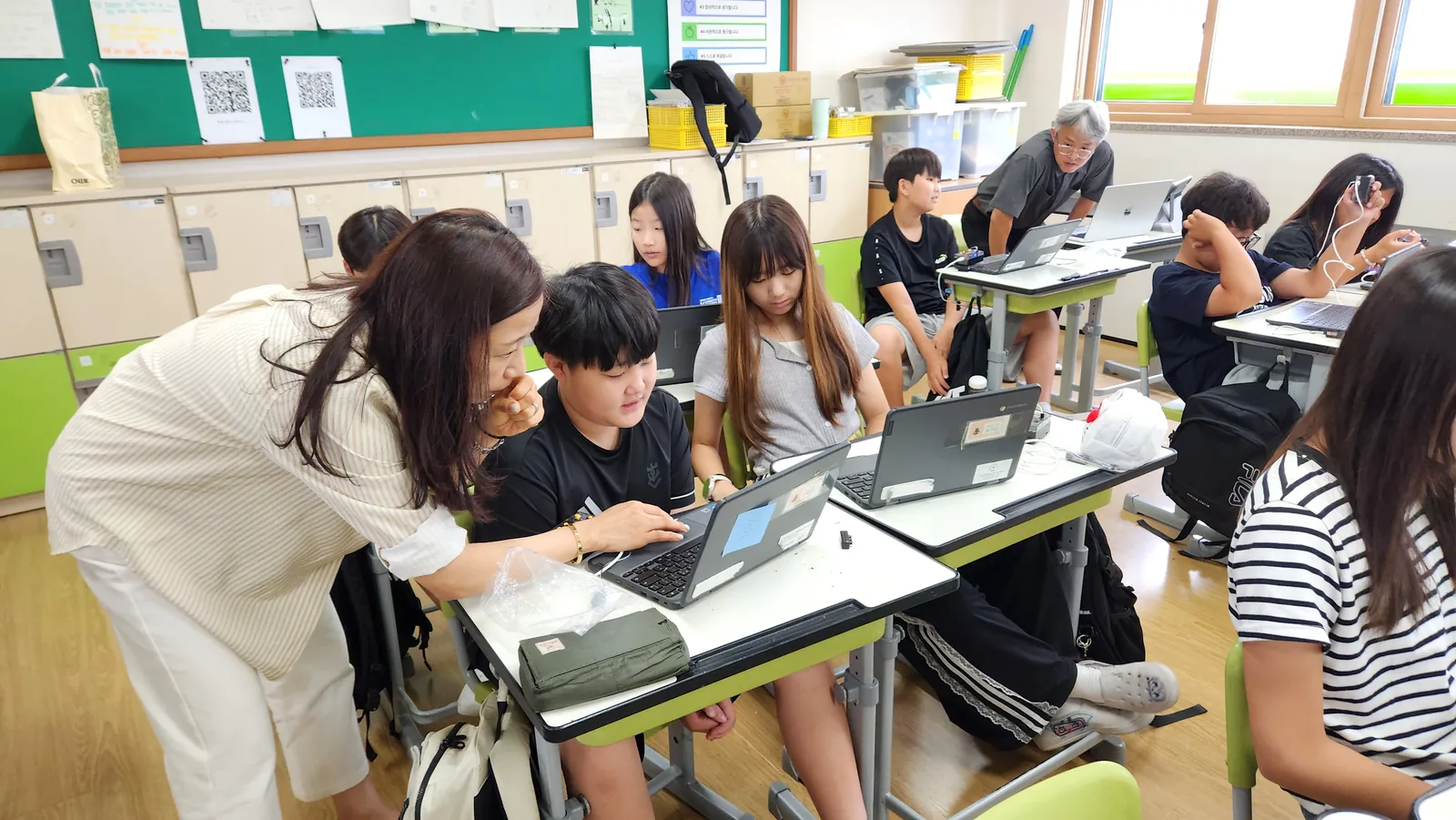
Eight sessions per school — split by class group so each student could be coached individually
Mock test results analyzed after each round to target the weakest question types
Elementary classes alternated short blocks of teaching, practice, and quizzes; middle school classes ran as inquiry using real-world data
Exam and administrative support
A site visit to every school to check the exam environment — browser, camera, and network
Administrative support for students under 14: i-PIN issuance, platform sign-up, and exam registration
Follow-through to certificate issuance after passing
Safety
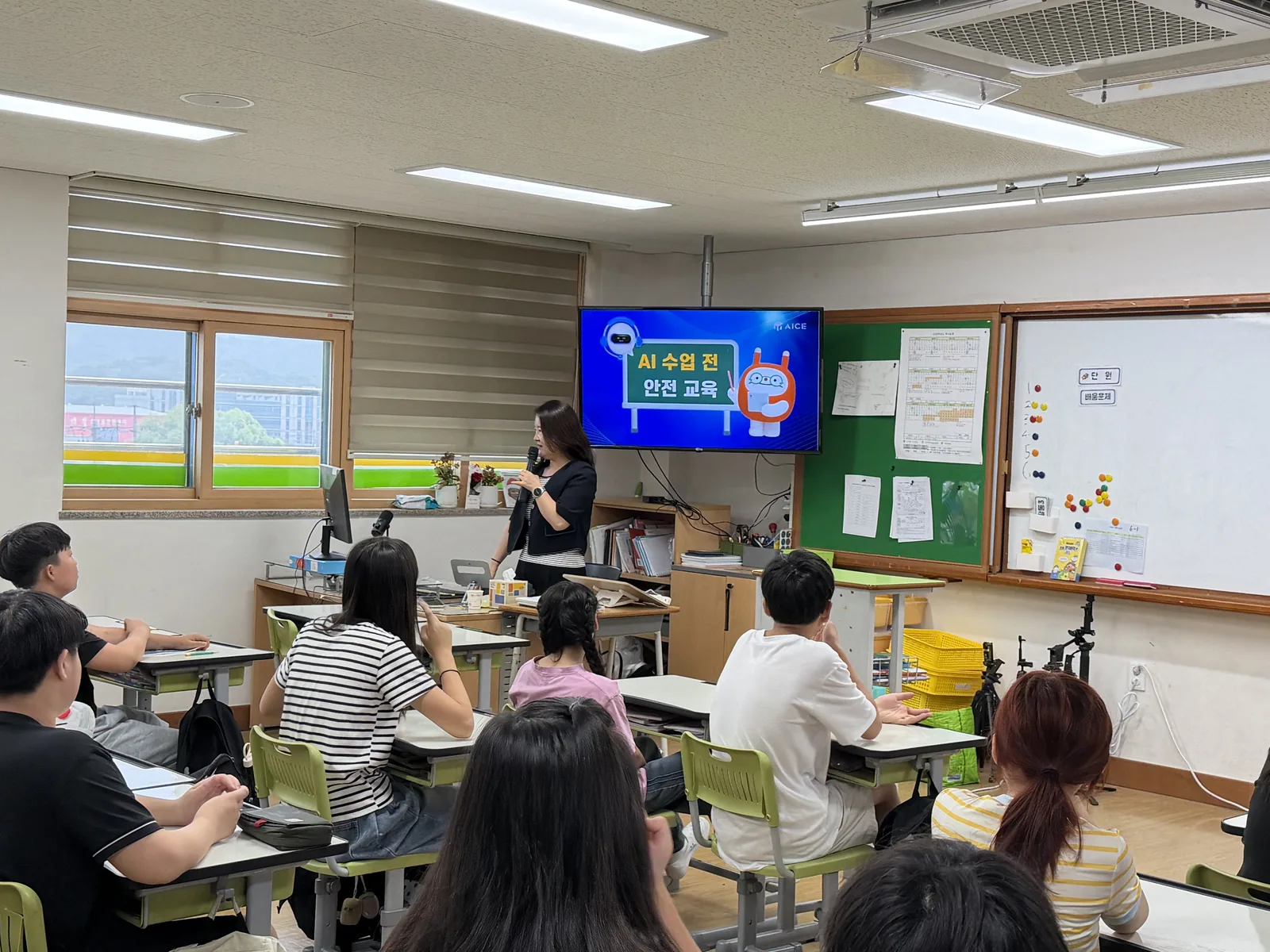
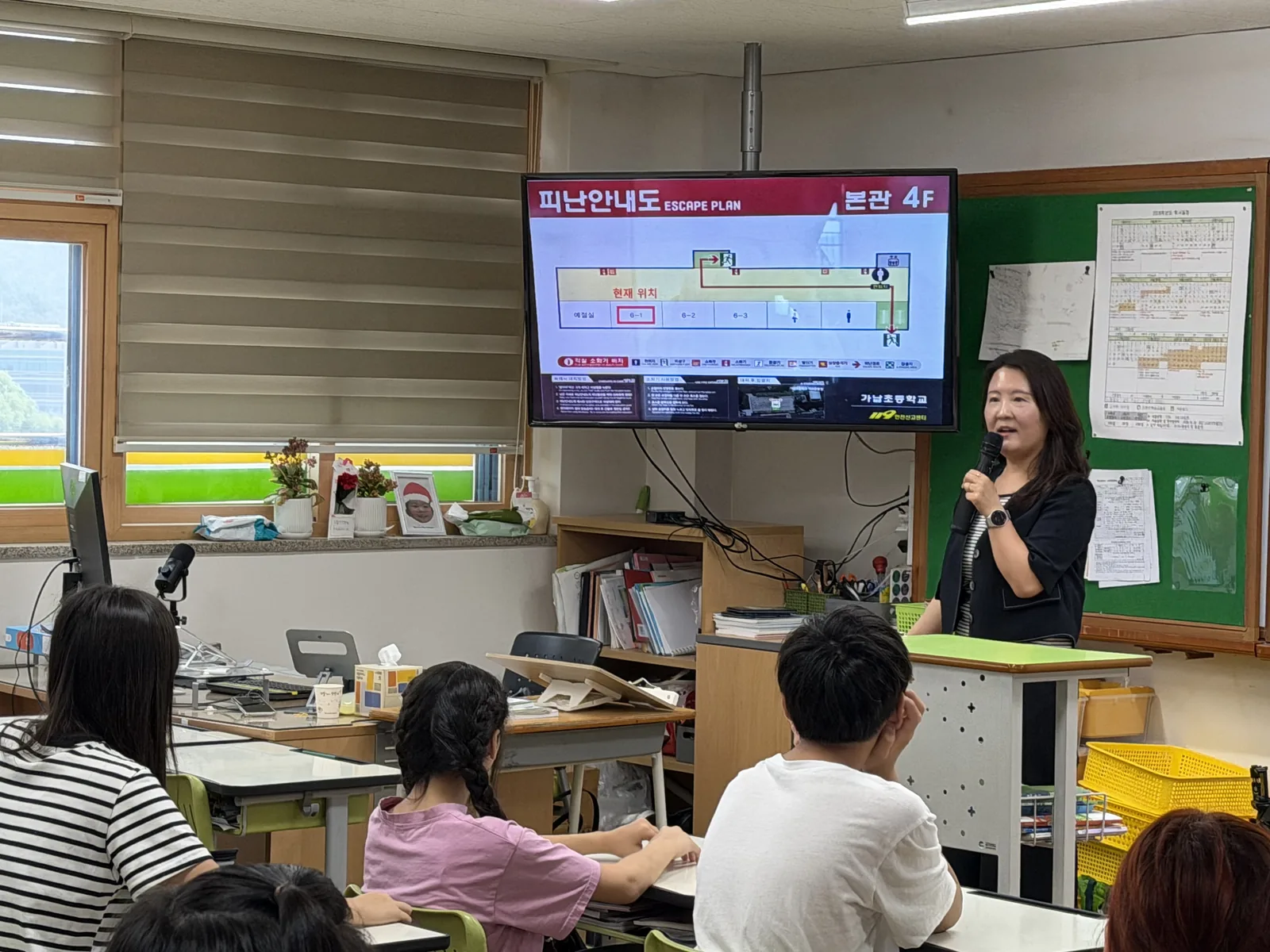
A separate safety briefing before class, as the sessions were held on school premises
Gallery